Plan for the Week
- Think about an expert to connect with
- Plan out project more fully
- Create personas
- Work out first steps
Experts
Although I’ve been lucky enough to meet several people working in graphic design for film and television, I decided to contact two designers whose work includes historically informed productions. Their experience could help me understand how accuracy, material choices and production constraints are balanced, as well as how they believe these decisions affect the finished scene.
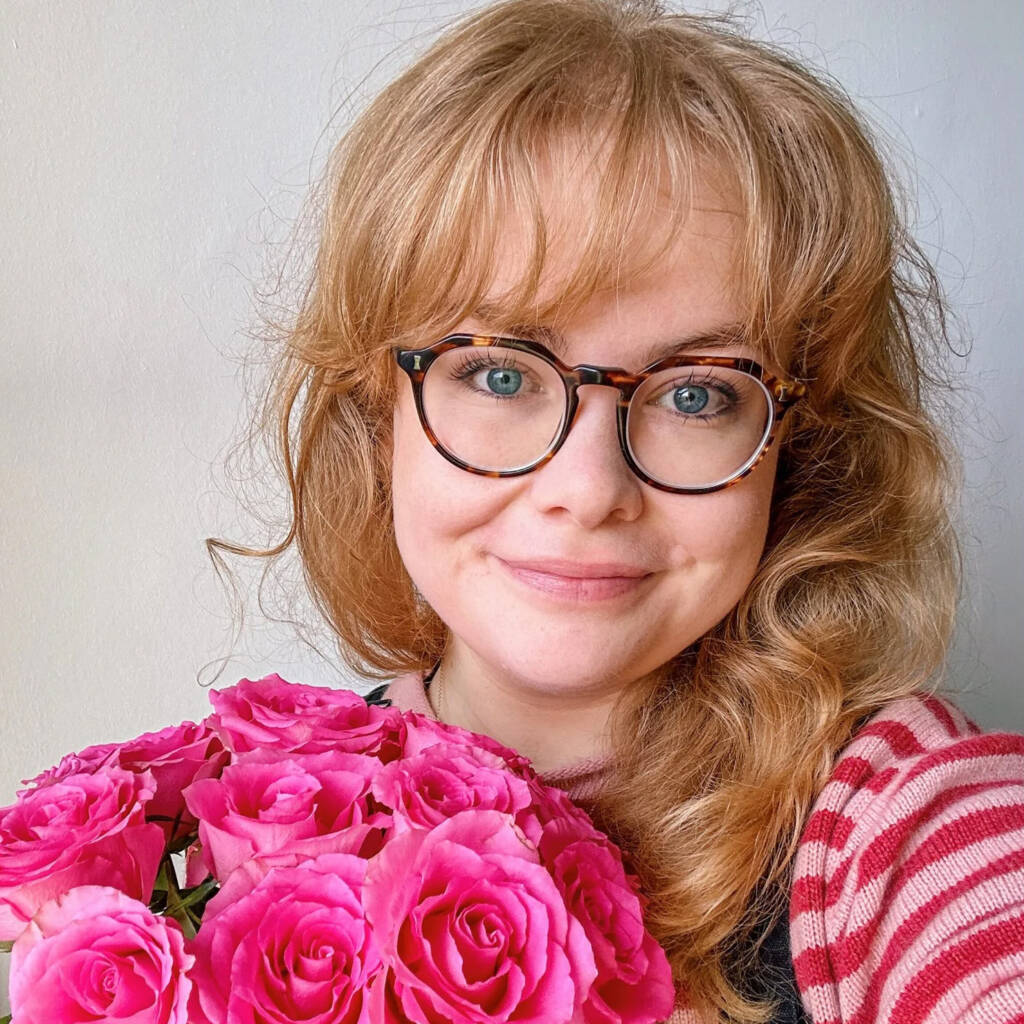
Flora Fricker
I initially chose to contact Flora Fricker, whose portfolio includes graphic design for film, television and independent projects. Her work on historically set productions makes her particularly relevant to my early questions about period research, typography and physical materials.
Thomas Love
The second designer I wanted to contact was Thomas Love. I met Thomas at a networking event approximately eighteen months ago, so I reached out to ask whether he would be willing to answer some questions once I had developed them.
Project Plan
I plan to begin with accessible desk-based research, including books, academic texts, practitioner interviews and relevant case studies. This should give me a stronger foundation before conducting my own interviews and help me develop questions that are informed rather than overly broad. I then plan to use an audience survey to collect exploratory responses from people both inside and outside the creative industries.
Secondary Research
- Literature Reviews – Analyzing foundational texts on graphic prop design, such as Annie Atkins’ Fake Love Letters, Forged Telegrams, and Prison Escape Maps, alongside any academic texts on typography and visual culture I may be able to find
- Online Articles & Videos – Reviewing industry write-ups, practitioner interviews, and design showcases (e.g., AIGA Eye on Design, Creative Review, and It’s Nice That) focusing on graphic props in both cinema and live theater
- Film & Media Reviews – Examining mainstream and academic film reviews that specifically comment on the success of a production’s world-building, noting when props are singled out for praise.
- IMDb “Goofs” & Trivia Databases – Using publicly submitted examples as possible starting points for identifying graphic inaccuracies. Important examples will need to be verified through stronger historical or typographic sources.
- Narrative Theory Research – Delving into academic journals via Google Scholar to research psychological concepts like “Suspension of Disbelief” and “Narrative Transportation Theory”
Primary Research
- Industry Expert Interviews (x2) – Conducting structured, comparative interviews with active film and television graphic designers (Flora Fricker and Thomas Love) to gather first-hand insights on material realities and set-design logic
- Audience Questionnaire & Survey – Distributing a short Google Forms survey to collect self-reported responses about background graphics, prop accuracy and distraction. The survey will provide exploratory evidence rather than represent the opinions of the general population
- Visual A/B Testing (if possible) – Producing two versions of the same fictional film still, with one using a historically informed graphic prop and the other containing a deliberate anachronism. This could explore whether participants notice the difference and how distracting they report it to be. It would not identify an exact point at which subconscious immersion is broken.
- Practice-Based Material Prototyping – Designing and printing a graphic prop before testing processes such as folding, ageing, ink variation and paper selection. I can then photograph the object under studio lighting to observe how its physical surface behaves through the camera.
- Archival Fieldwork – Visiting design and printing archives in person (such as the Design Museum, printing museums, or vintage ephemera markets) to take photographs of authentic historical print processes, documenting genuine ink bleed, paper grain, and physical wear
Personas
In previous feedback sessions, I have been encouraged to think carefully about audience personas. At this point, the practical outcome is still too uncertain for me to define a specific audience confidently. I will therefore return to this once the research has helped me decide what I am making and who would realistically engage with it.
Thoughts
This week has given me a clearer starting point for the research. My next step is to develop the interview questions, begin the secondary research and consider how the survey can gather useful responses without assuming its conclusions in advance.