 Close
Close
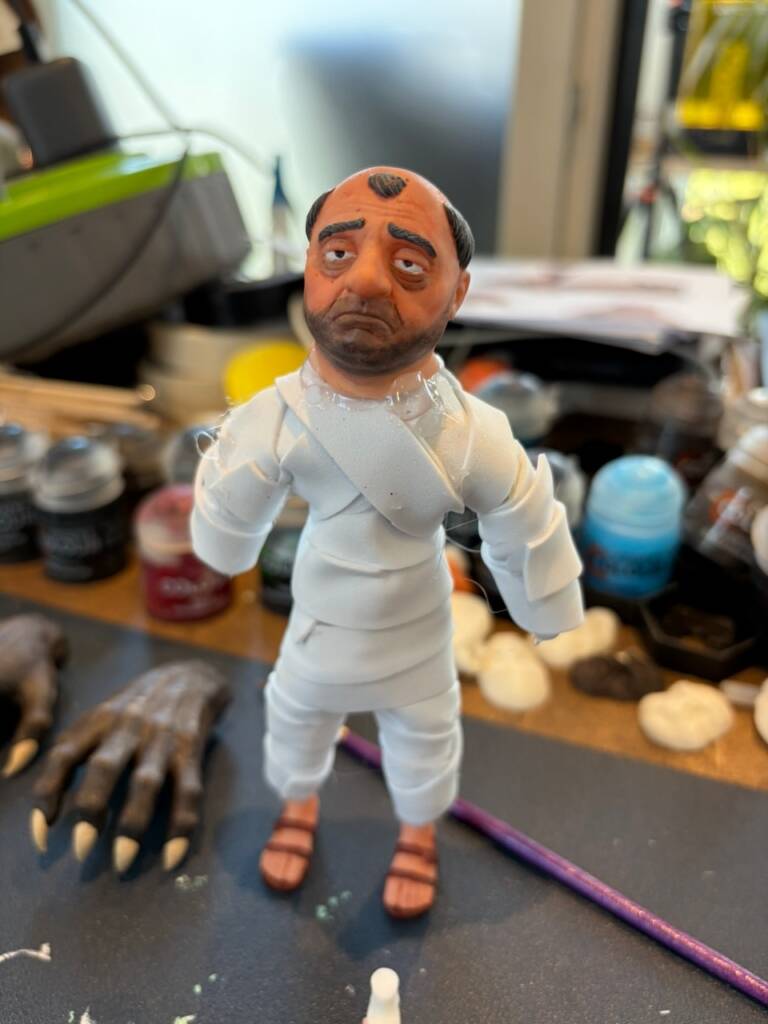
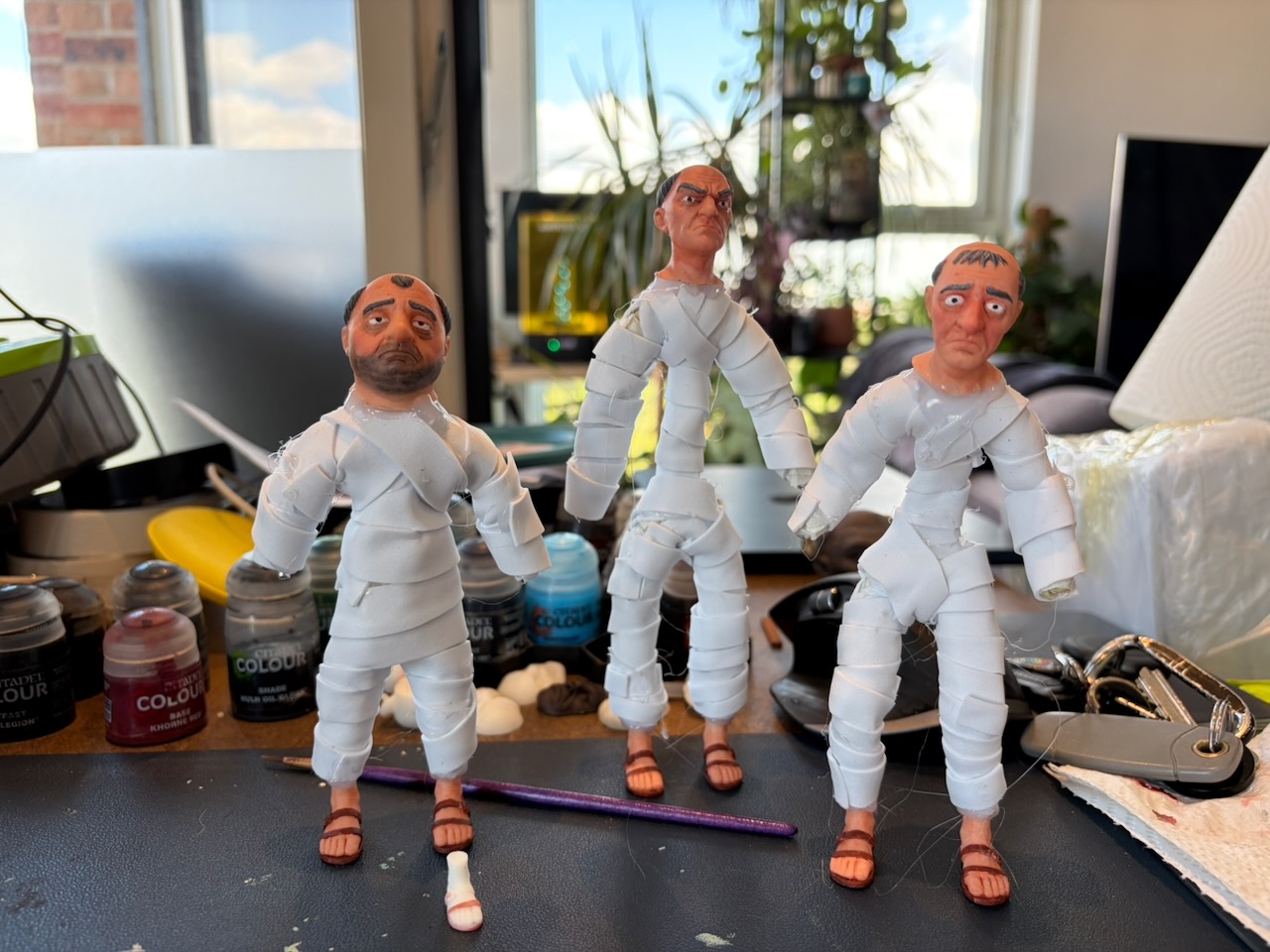
Continuing with the puppet development from the previous week, I moved on to producing the heads and feet for the three monk bodies. These characters were needed to demonstrate the intended difference in scale between an average human figure and the much larger Buggane.
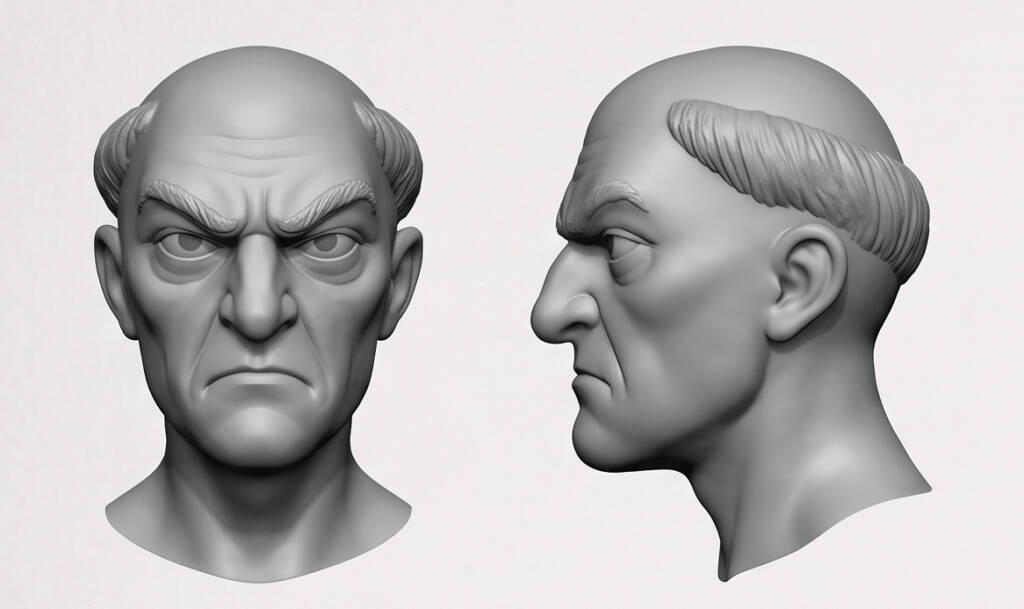
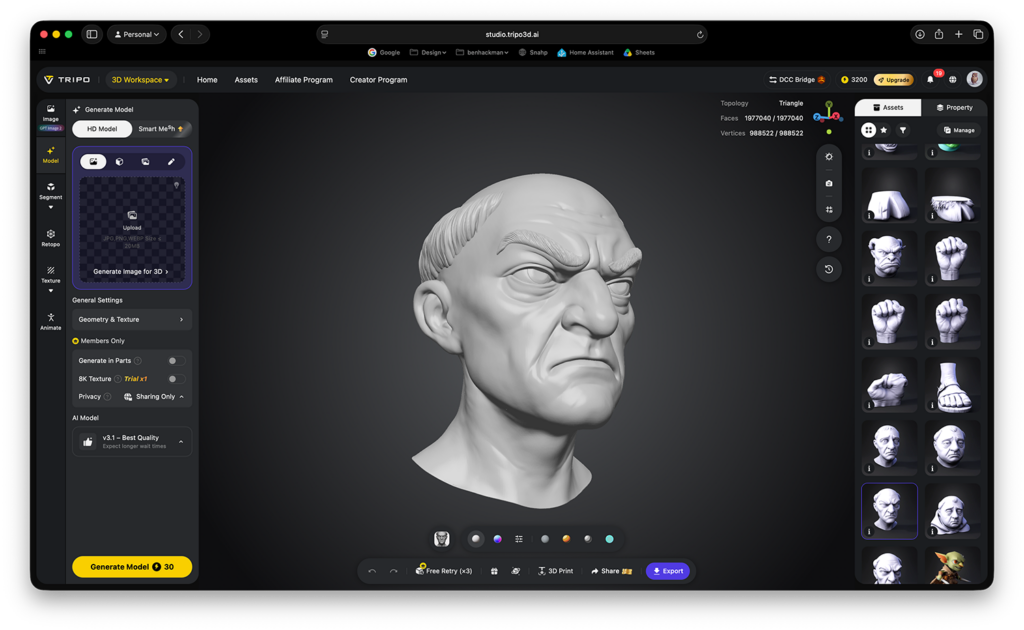
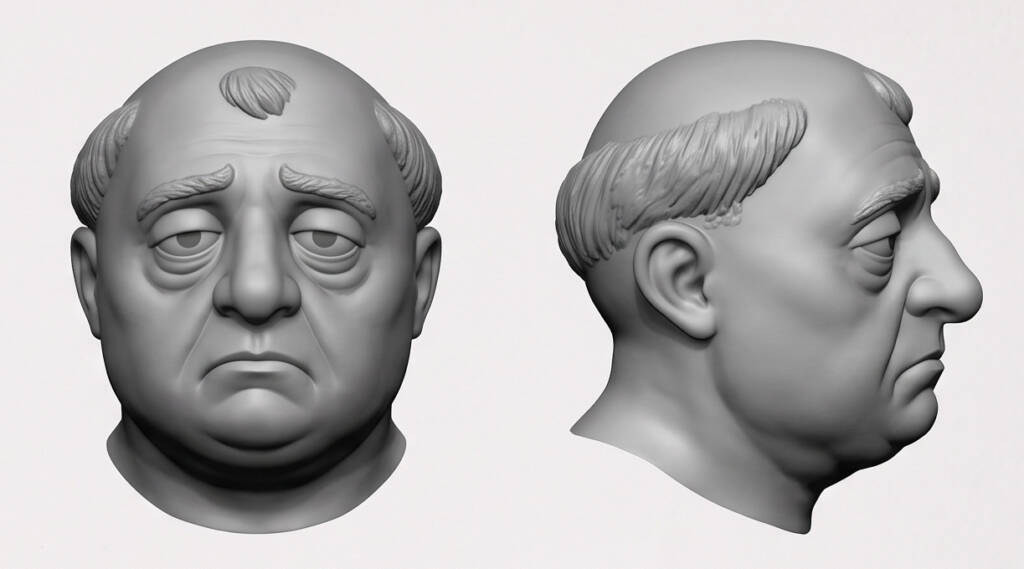
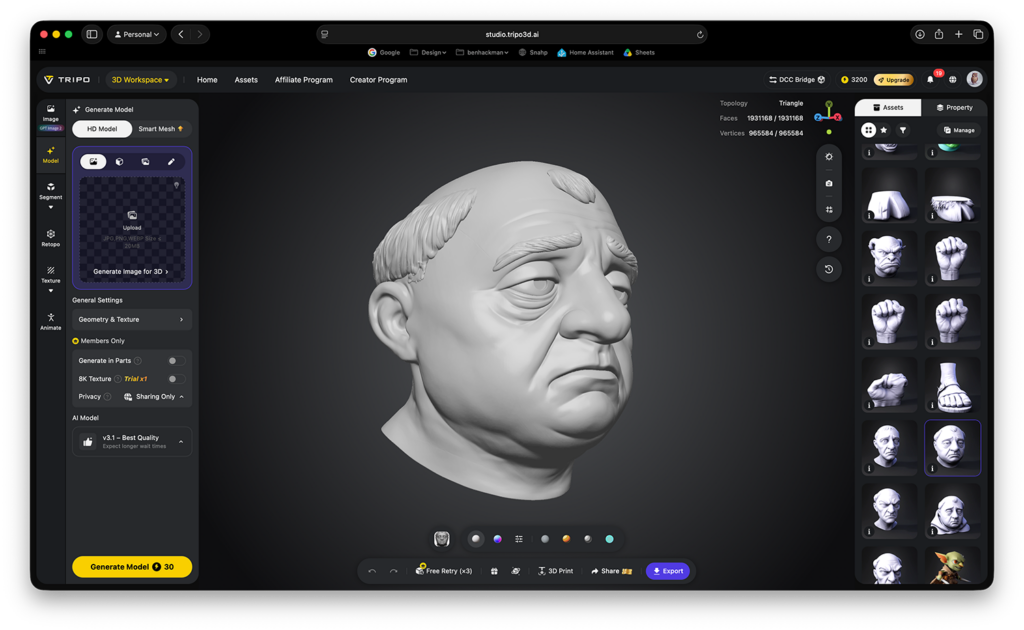
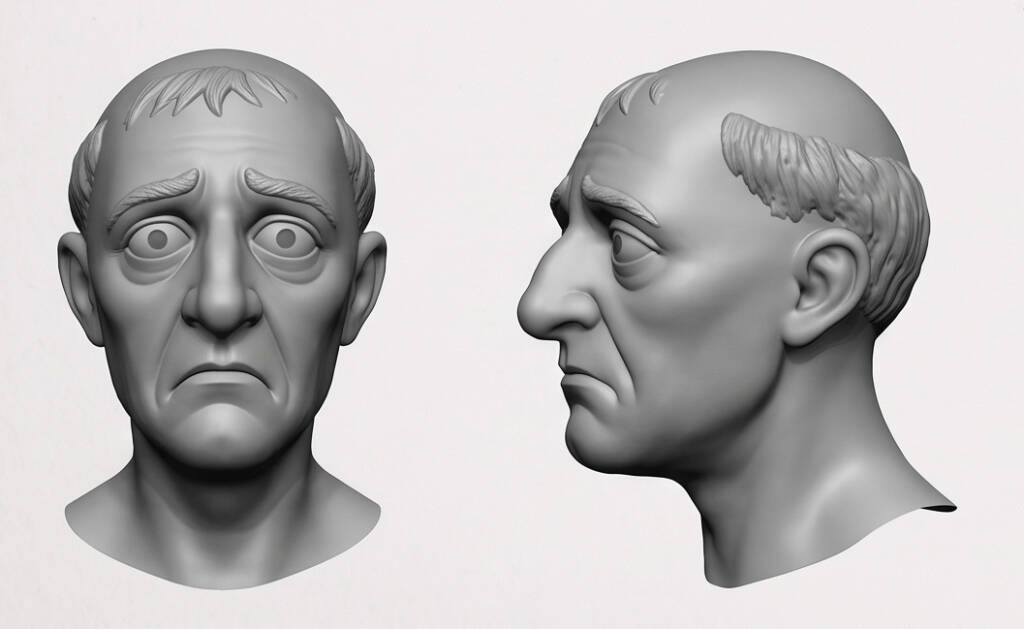
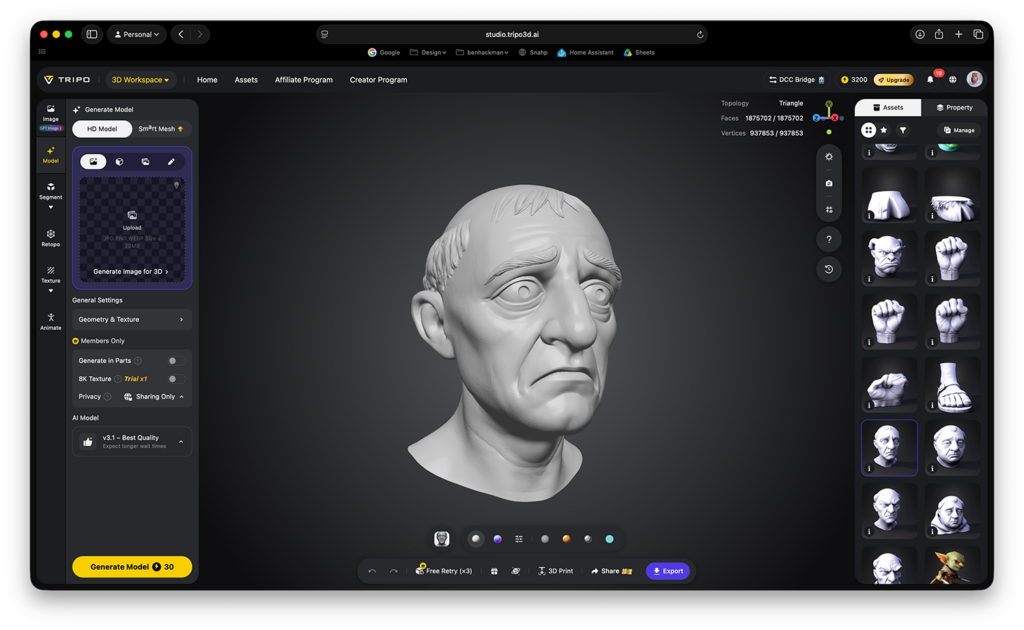
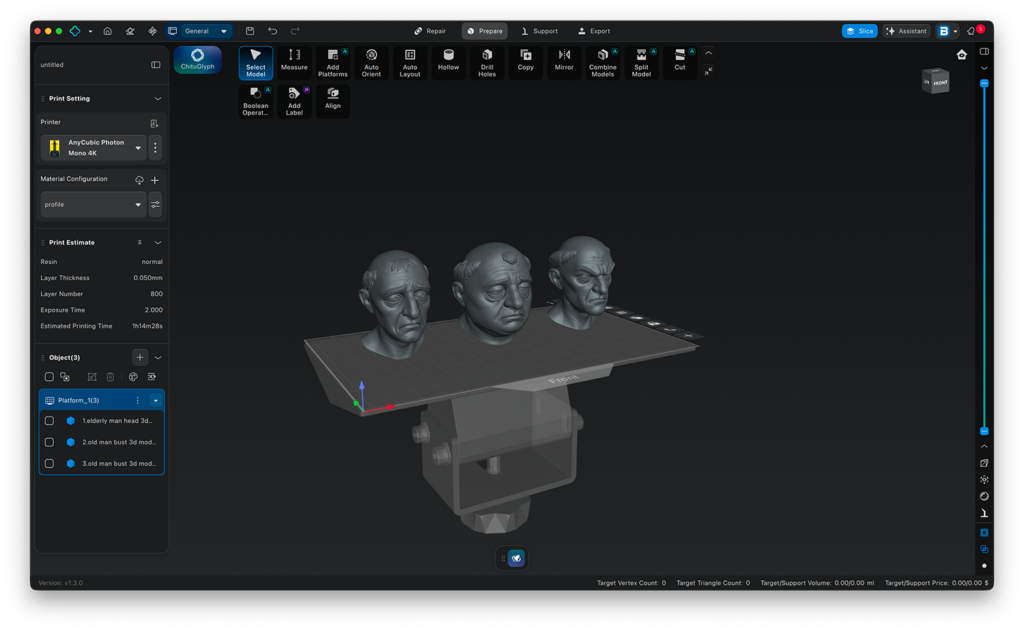
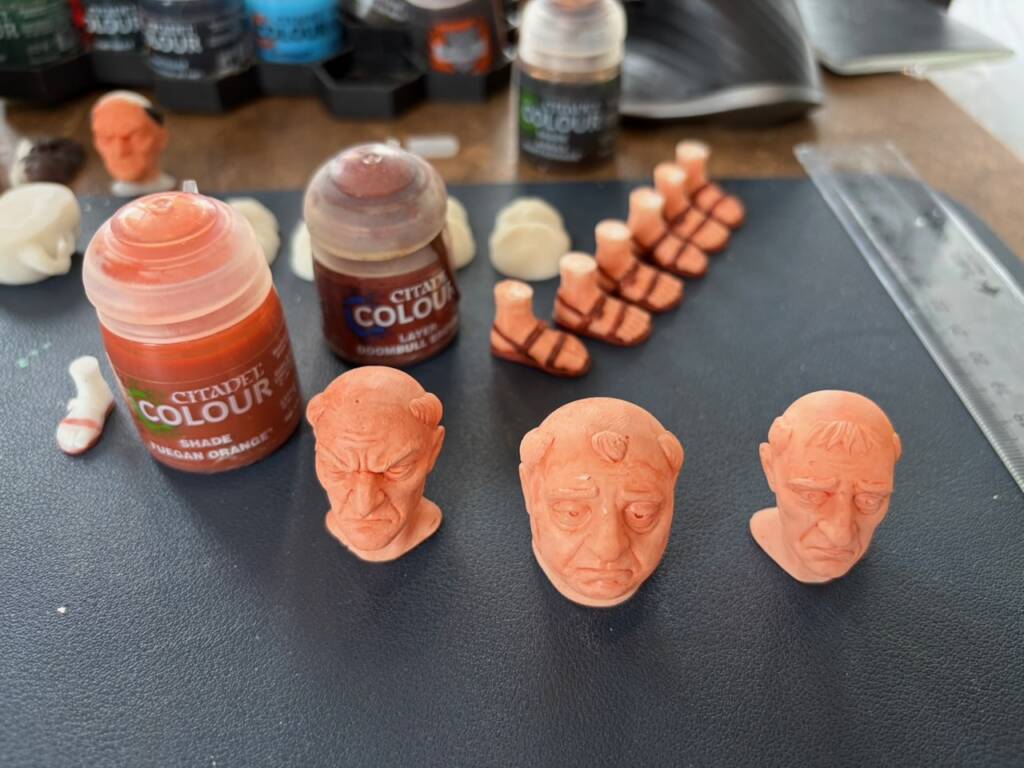
I used a similar digital workflow to the one developed for the Buggane. Google Gemini was used to generate facial reference images, which were then passed into Tripo AI to create rough three-dimensional models. I imported the results into Nomad Sculpt to correct and refine the surfaces before preparing the heads for resin printing.
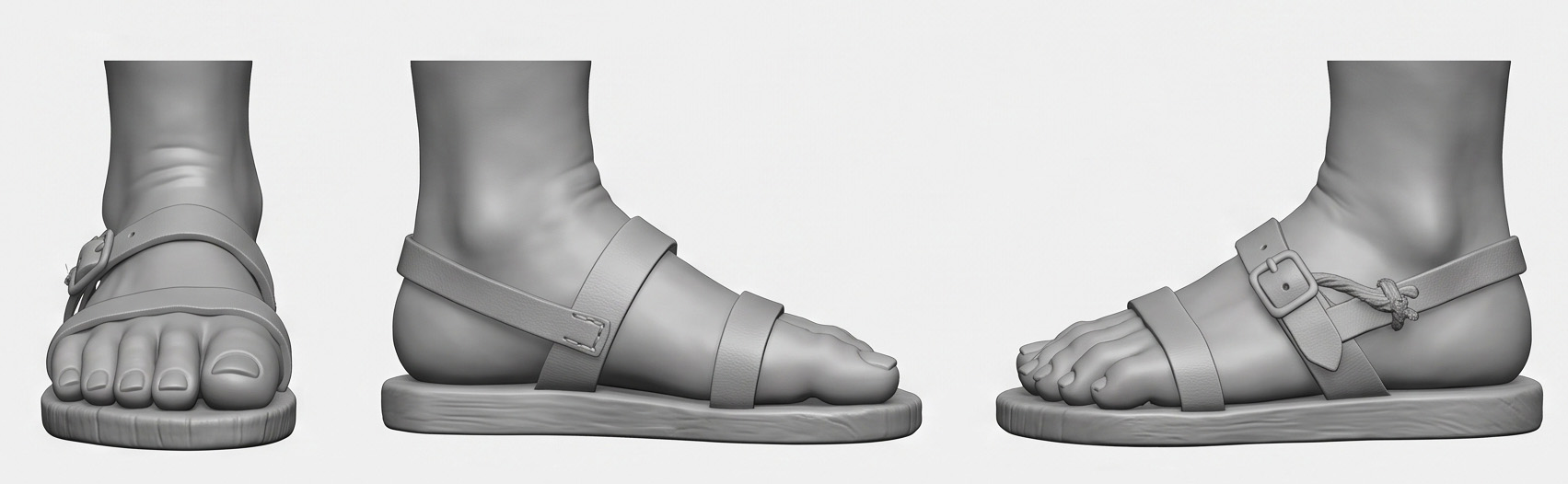
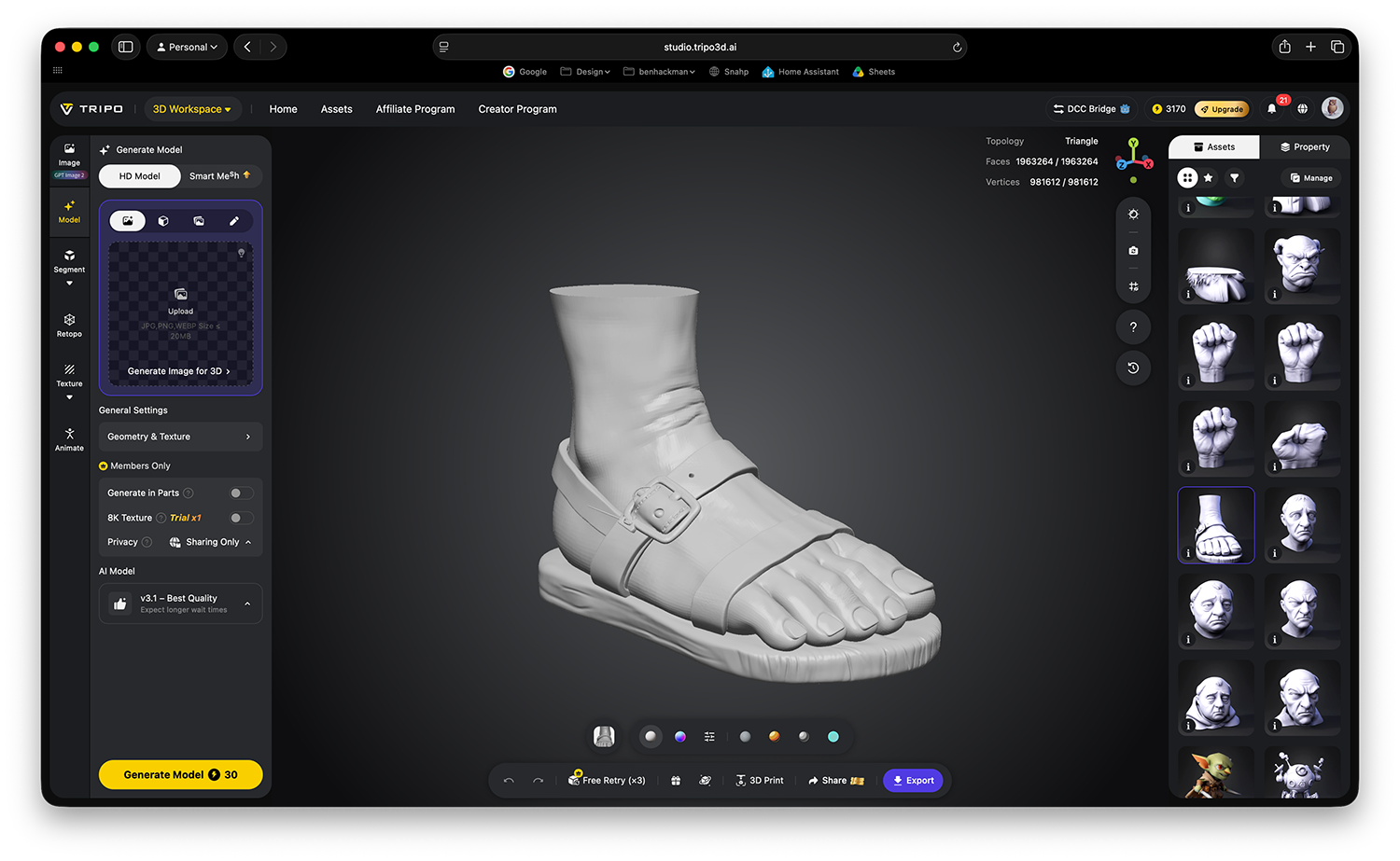
Because this repeated the process already documented for the Buggane, I have not shown every stage again. Instead, I have included selected images of the references, digital models and completed prints below.
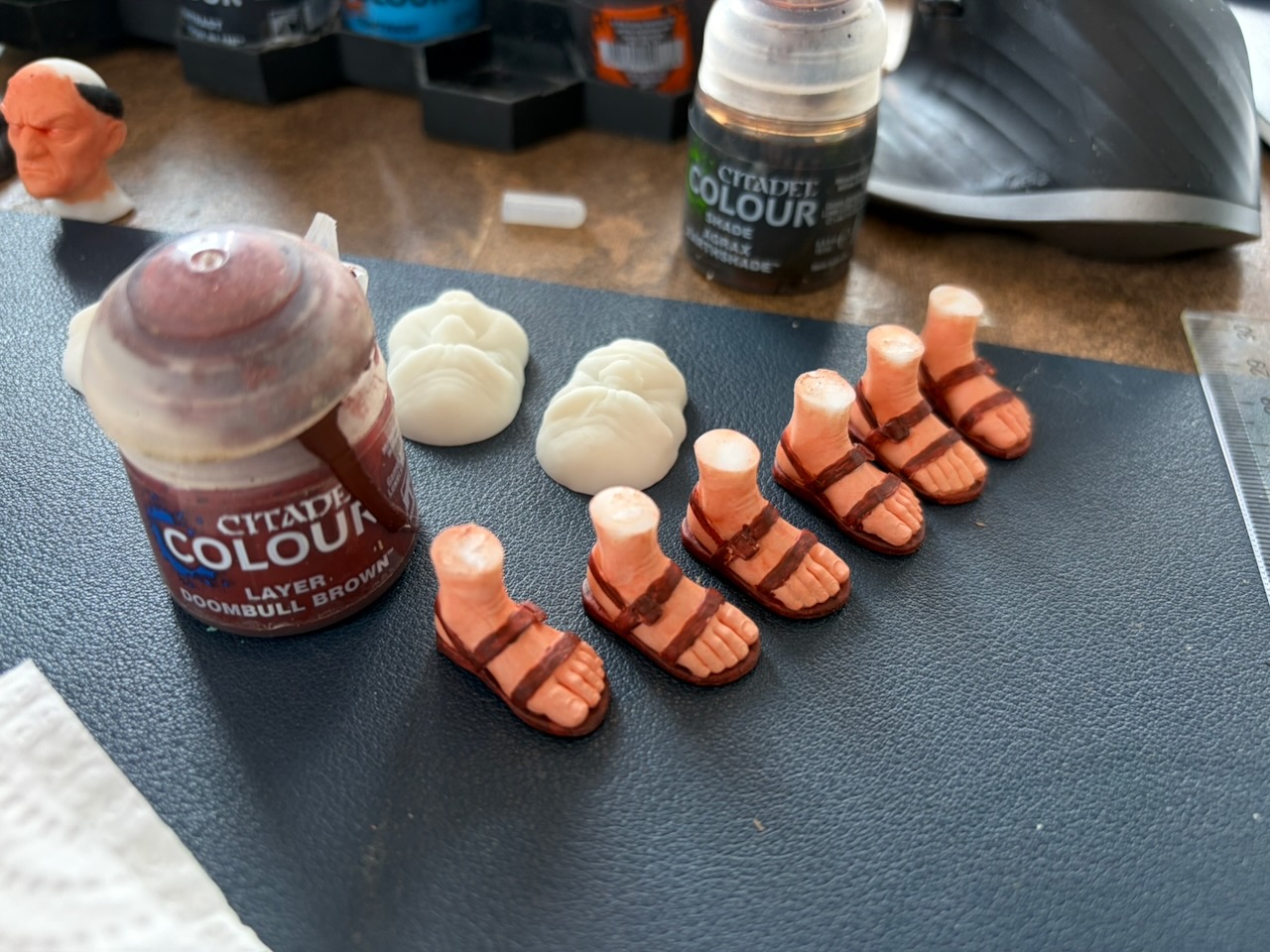
Alongside the heads, I produced a shared foot-and-sandal design for the three monks. I generated the initial visual reference using Gemini and created the base model through Tripo AI before preparing it for printing.
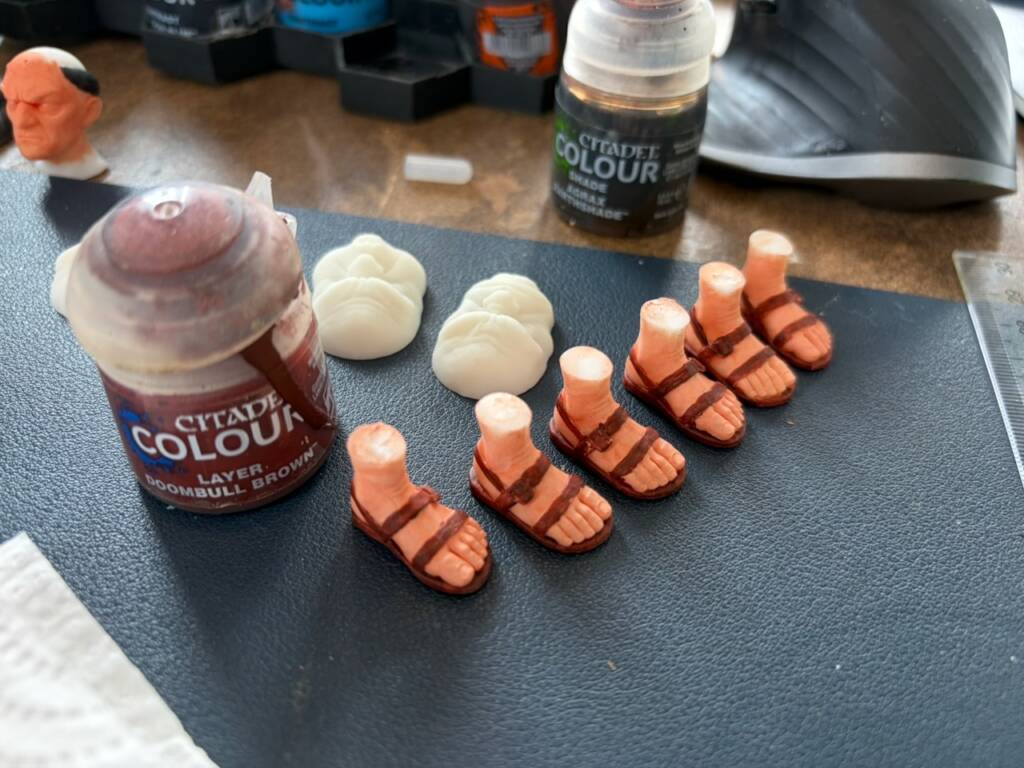
To save time and maintain consistency, I mirrored the same model to create left and right feet and printed a pair for each monk.
The hands required a wider range of possible poses and would need to relate directly to particular actions or accessories. I therefore delayed producing them until the motion tests had been planned.
After the project scope changed, those tests were not completed and the monk hands remained unfinished. At this stage, the three bodies were primarily being used to establish character proportions and scale.
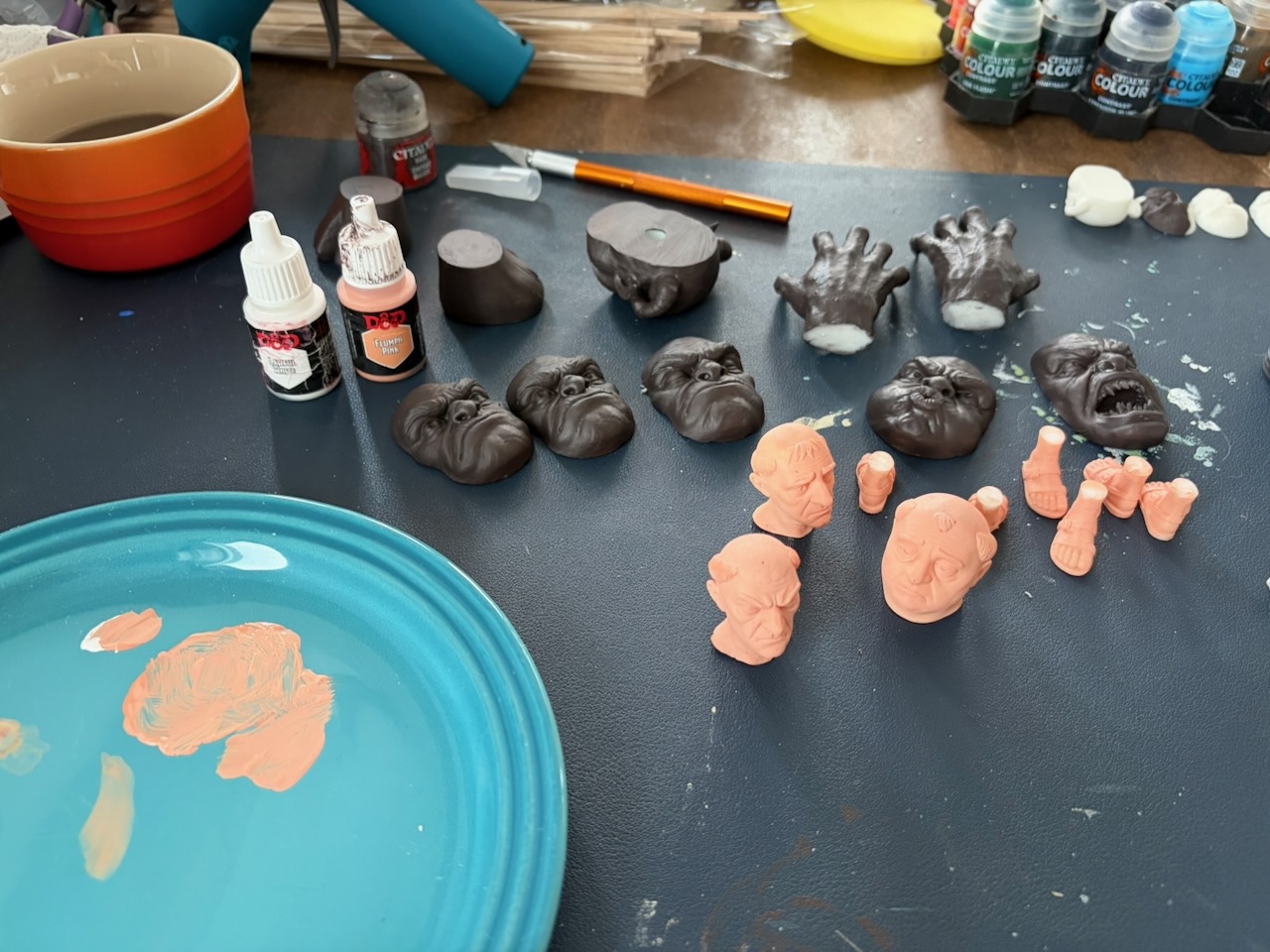
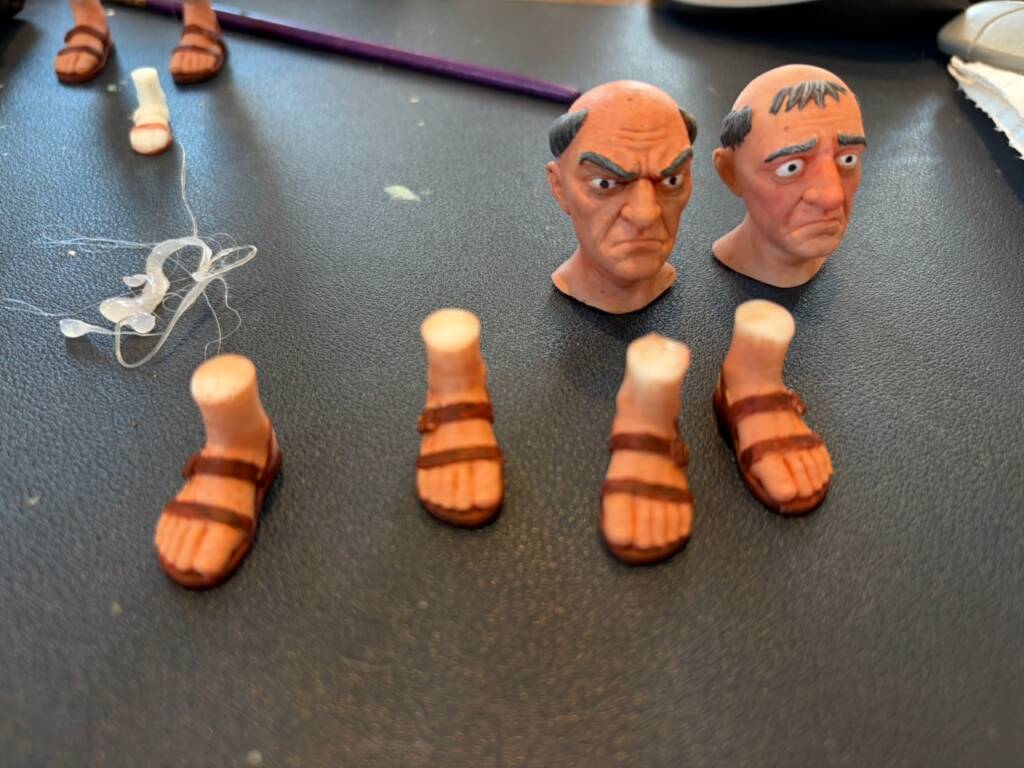
Once the resin components had been printed, washed and cured, I painted the heads and feet together to maintain a consistent colour palette across the three characters. As the process was the same as the Buggane painting stage, I have included selected photographs rather than documenting every step again.
Once the painting was complete, I attached the heads and feet to each body using hot glue. I chose to fix the necks in place because these versions were primarily intended as proof-of-concept scale models.
This worked for presenting the characters as static outcomes, but it limits the range of movement available for animation. If the puppets were developed for full production, the necks would need a flexible joint or replaceable connection to allow the heads to turn and tilt.
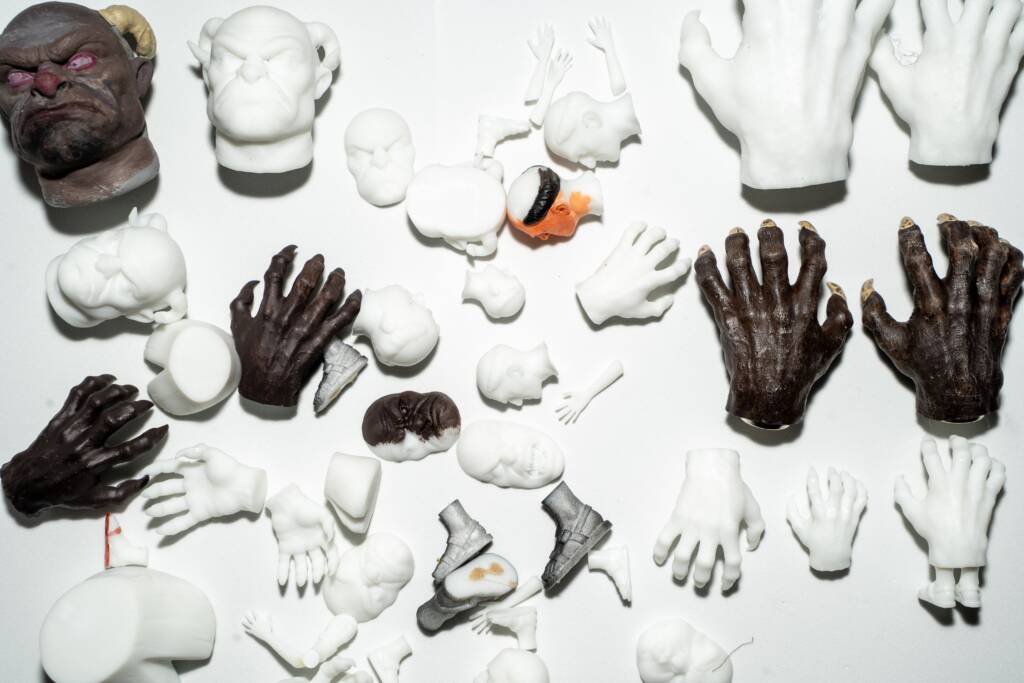
By the end of the character-fabrication stage, I had built up quite a collection of test prints and components that did not make it into the final puppets. These included different head sizes, early faceplates, oversized hands, unsuccessful generated models, paint tests and pieces that were replaced as the designs developed.
Although none of these parts were used in the finished builds, they were still an important part of getting there. Comparing the printed pieces directly against the armatures helped me judge scale, proportion and surface detail in a way that was difficult to do entirely on screen. The oversized Buggane hands, for example, only became an obvious problem once they were physically attached to the body.
Laying everything out together also highlighted the amount of material involved in this type of testing. If I developed the puppets again, I would carry out more detailed checks digitally, print smaller batches and reuse test components wherever possible before committing to complete sets.
The final puppets therefore did not come from one successful print. They developed through repeated testing, correction and selection, with the unused components recording many of the decisions made along the way.