Plan for the Week
Develop the story beats into a working draft of the short film script
- Integrate a deadpan Narrator to drive the comedic timing and pacing
- Establish specific call-outs for tactile hero props, including the Buggane’s matchstick models
- Research stop motion frame rates and technical mechanics
Scripting ‘The Buggane of St Trinian’s’
This week, I focused on translating the story beats into an early working script for the proposed film. I introduced an omniscient, dry-witted narrator to help establish the deadpan tone and reduce the amount of lip-sync animation that might be needed. The narration would also help control the pacing and indicate where the camera should pause on particular objects or physical details.
I also developed the Buggane’s characterisation. To contrast with his intimidating size, I gave him the surprisingly delicate hobby of matchstick modelling. This creates the potential for some interesting tactile props while also giving the story a comic opening and ending.
Although my version will deviate slightly from the source material, I wanted to add something that gave the Buggane a little more personality and made his anger easier to understand. The original story leaves quite a lot of the ‘how’ and ‘why’ to the imagination, including exactly why the church annoys him so much. Giving him a matchstick-modelling hobby provides a simple reason: the noise from the construction keeps destroying his work.
The script below is still a rough mock-up of the story beats and possible framing. Over the next week or so, I want to develop it into a more workable script that could form the basis of a finished film if the project were taken into full production. Once that is complete, I can identify particular scenes, characters and props to develop for the proof of concept.
SCENE 1: INT. THE BUGGANE’S CAVE – DAY A perfectly symmetrical cross-section of a cosy underground cave. THE BUGGANE, a large, furry, but immaculately groomed ogre, sits in a plush wingback chair.
NARRATOR (V.O.) This is the Buggane of St Trinian’s. Despite local legends painting him as a bloodthirsty monster, he actually prefers a quiet Tuesday, a cup of Earl Grey, and absolute silence.
EXTREME CLOSE UP: The Buggane is using a pair of tiny tweezers to place a single matchstick onto a massive, mathematically perfect matchstick galleon. The camera lingers on the Matchstick Model, showing the rough wood grain and tiny dabs of dried wood glue.
Suddenly, a deafening “CLANG” shakes the cave. The Buggane’s hand slips and the model clatters to the ground is a puff of dust. He looks directly into the camera lens, utterly expressionless. He sighs heavily.
SCENE 2: EXT. ST TRINIAN’S CHURCH – DAY A flat, top-down shot of a wooden table. Three MONKS are intensely studying the Architectural Blueprints. The camera lingers on the tea-stained paper, the bleeding medieval ink, and the meticulous drafted lines.
NARRATOR (V.O.) Meanwhile, on the surface, the local monastic order had decided to construct a church. They were highly enthusiastic, though historically terrible at structural engineering.
MONTAGE: A rapid, stuttered stop motion timelapse of the stone church being built. It concludes with a massive bell dropping into the belfry with an obnoxious thud.
SCENE 3: EXT. ST TRINIAN’S CHURCH – NIGHT The Buggane emerges silently from the soil. He stares at the new roof. He takes a deep breath and casually blows the entire structure off-screen. It makes a faint whistling sound as it disappears into the night sky.
Before leaving, he pulls a piece of paper and a rusted nail from his pocket. He neatly hammers it into the wooden door.
CLOSE UP: The Formal Notice of Noise Complaint. The camera holds on the textured, creased paper and the uneven, bleeding typewriter ink.
NARRATOR (V.O.) He left a polite, yet firmly worded formal complaint. It was summarily ignored.
[SCENES 4 – 6 REMAIN THE SAME: The war of attrition, the Tailor’s wager, and the Tailor anchoring the roof with industrial thread.]
SCENE 7: INT. ST TRINIAN’S CHURCH – NIGHT The Buggane bursts through the floorboards. He takes a massive inhale to blow the roof away. He exhales violently.
The roof creaks but does not move. The camera pans to show the Tailor’s heavy Industrial Thread securely anchoring the rafters to the stone walls.
NARRATOR (V.O.) Realising he had been structurally bested by haberdashery, the Buggane opted for petty vandalism.
The Buggane glares at the Tailor, who hasn’t stopped sewing. Out of pure spite, the Buggane leans forward and gently blows out the candle.
The screen cuts to pitch black. Only two sets of blinking white eyes remain.
TAILOR (V.O.) Damn. Now I cannot find my needle.
Sound of rapid, comical footsteps running away into the distance. The familiar noise of the roof being blown off again, all while still in darkness.
SCENE 8: EXT CHURCH MISSING THE ROOF AGAIN, FADE INTO INT. THE BUGGANE’S CAVE – DAY We cut back to the familiar sight of the church missing its roof and then fade onto a faithfully crafted replica of the church in matchsticks.
NARRATOR (V.O.) And so, peace was restored.
EXTREME CLOSE UP: The Buggane uses his tweezers to place a final matchstick on his brand-new project. It is a perfect, flawless miniature replica of St Trinian’s Church… completely missing its roof.
Stop Motion Mechanics: Frame Rates
Alongside developing the script, I began researching how different stop-motion exposure patterns affect the appearance of movement. Animators commonly describe this as shooting on ones, twos or threes. The finished film can still play at 24 frames per second, but each physical pose may be held across a different number of frames. The video below gave me a useful visual comparison between these approaches.
Shooting on ones: The puppet is moved and photographed for every frame. When played at 24 frames per second, this requires 24 individual poses for each second of animation and can create smoother movement.
Shooting on twos: Each photographed pose is held for two frames. At a playback rate of 24 frames per second, this requires 12 individual poses per second and can produce a slightly more stepped or stylised movement.
Shooting on threes: Each pose is held for three frames, requiring eight poses per second at a 24-frame playback rate. This creates more noticeable jumps between positions and could be used deliberately for particular movements or comic timing.
Based on the examples I have looked at, I would like to test the puppet movement mainly on twos. The slightly stepped quality could work well with the controlled, handmade appearance I am trying to achieve. I may also experiment with holding particular poses for longer where the timing of the narration or comedy requires it, rather than applying one approach rigidly to every movement.
For the proposed character tests, this movement could complement the physical imperfections of the puppets and graphic props. If the paper is distressed by hand and the models retain visible traces of their construction, it makes sense for the movement to feel equally physical rather than completely smooth.
While researching the process, I found footage from the DVD extras of Fantastic Mr. Fox showing tests of the film’s puppets. It gave me a useful insight into how the puppets were constructed and how different actions were tested. I was particularly interested in a version of Mr. Fox that used multiple arms to represent fast actions such as running and digging. It was not an approach I had previously considered. Although I won’t be producing an entire film during this project, the footage gives me ideas about how movement can be designed into a puppet rather than relying on a single body to perform every action.
Primary Research: The Wes Anderson Exhibition
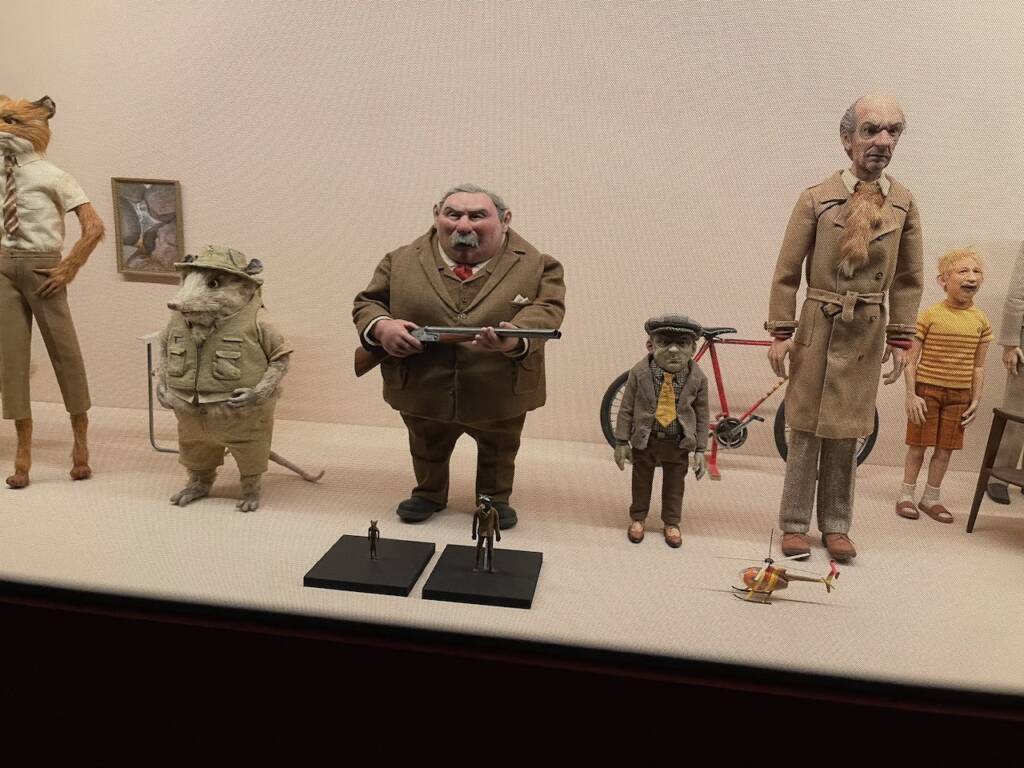
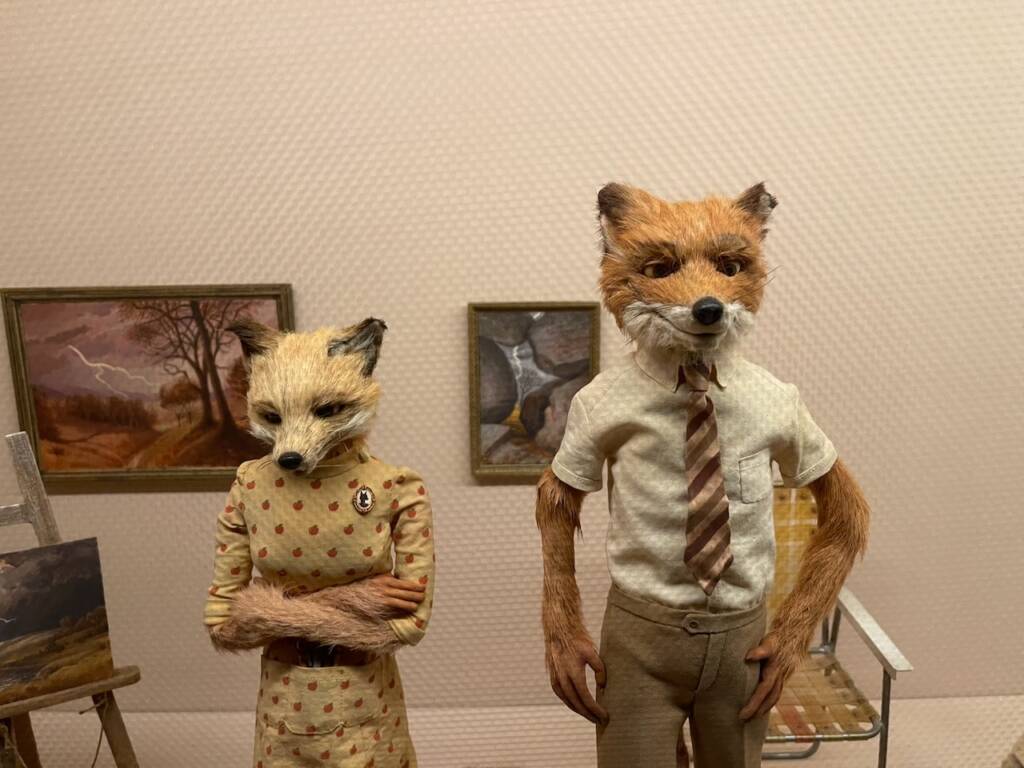
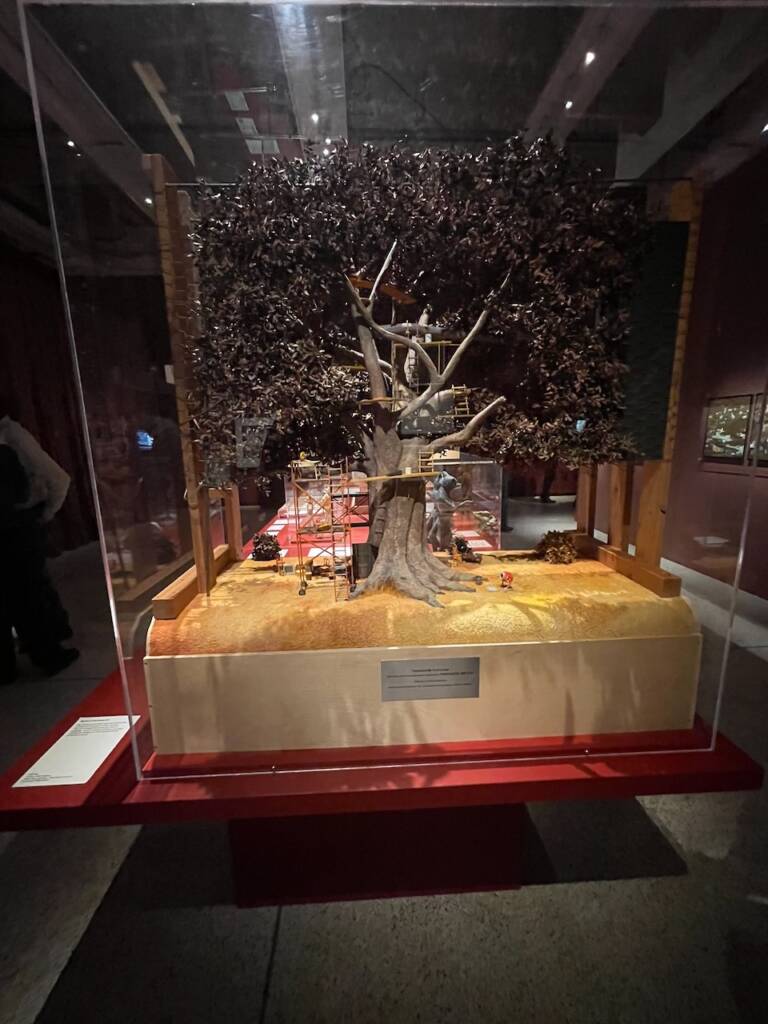
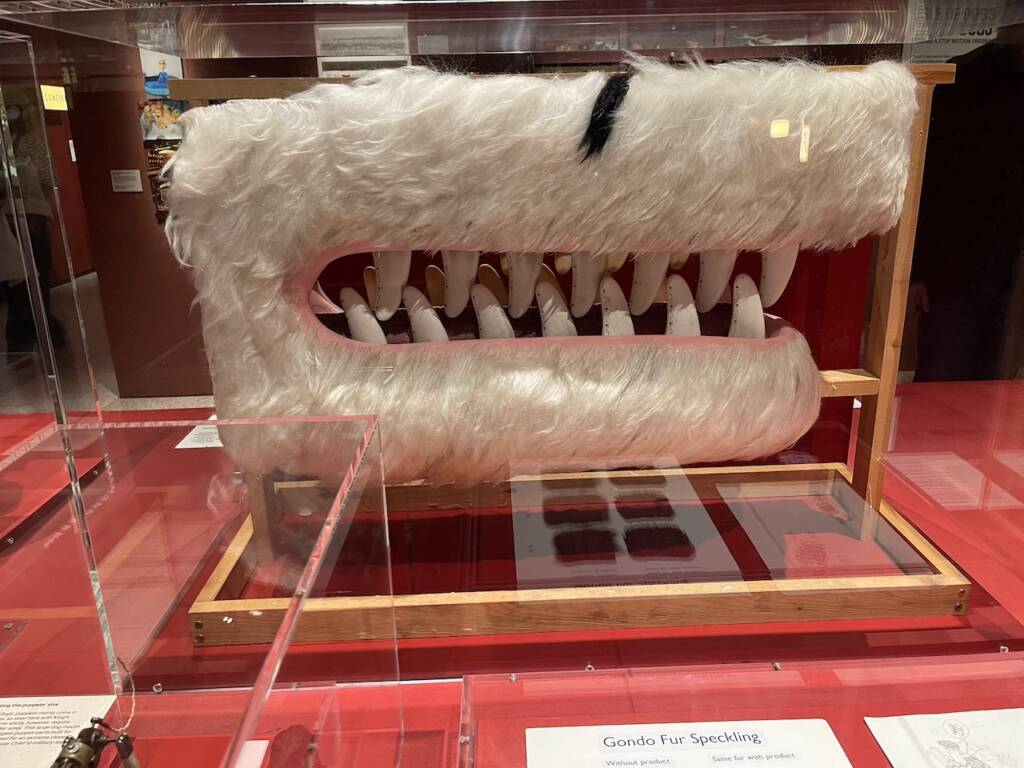
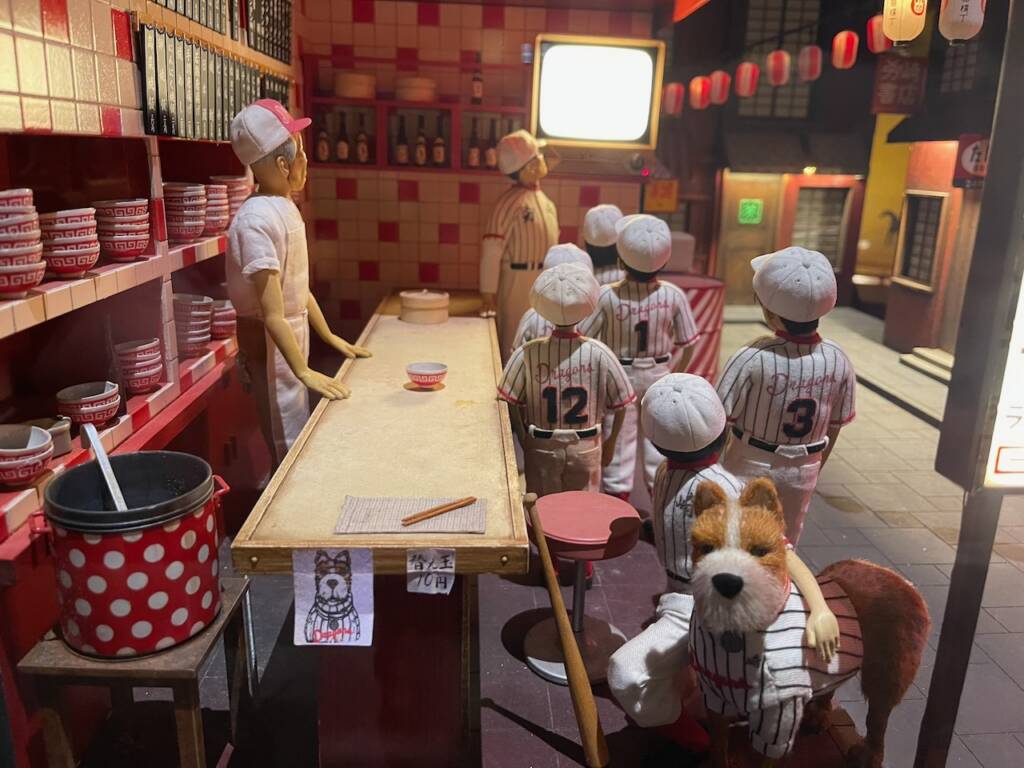
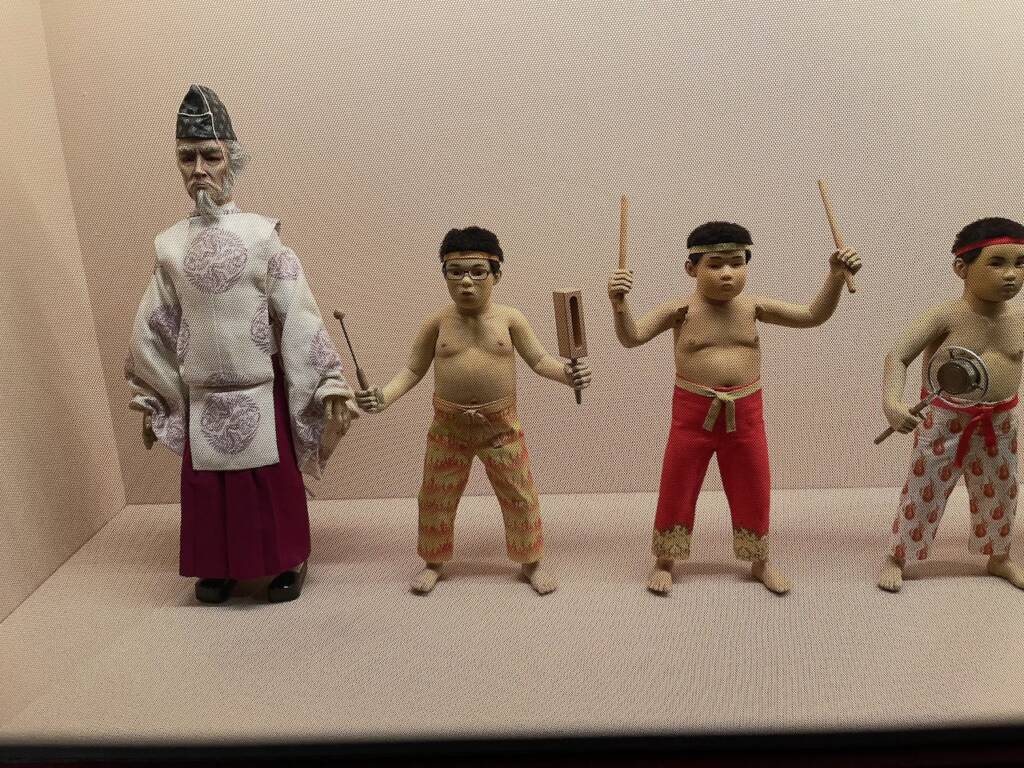
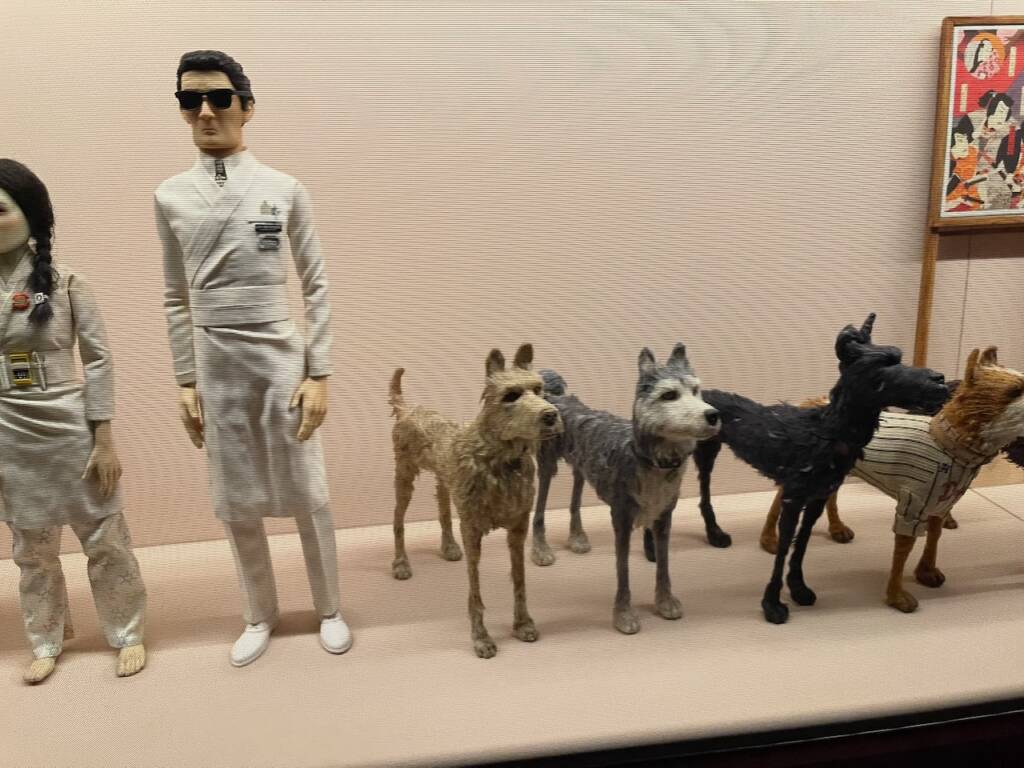
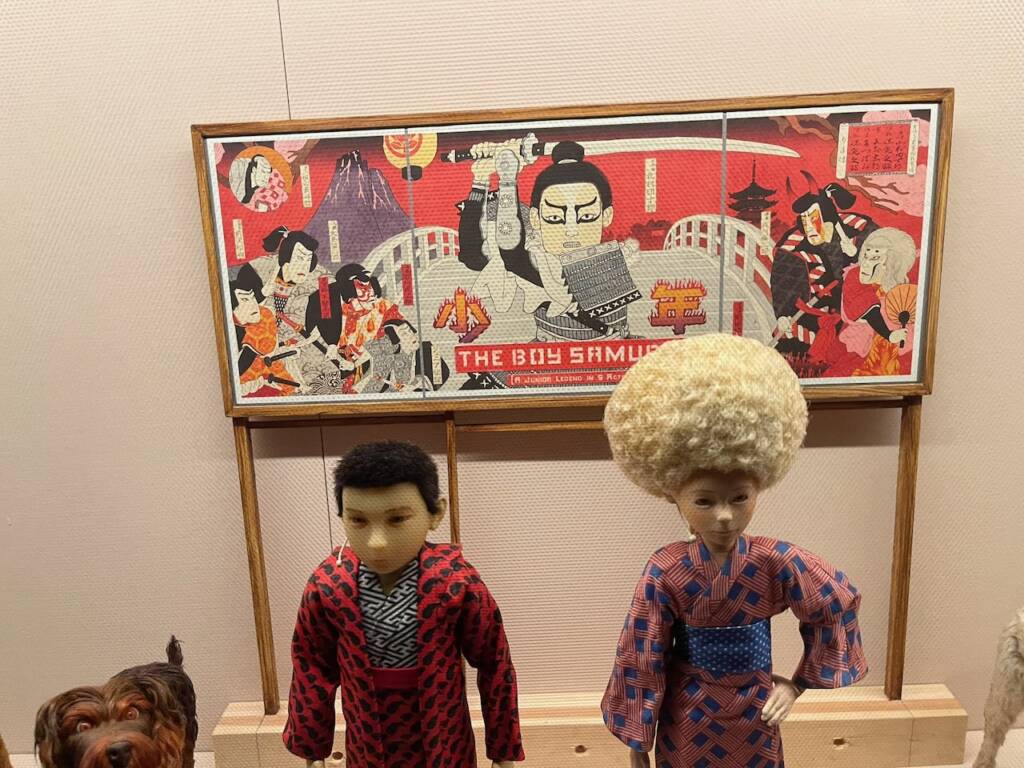
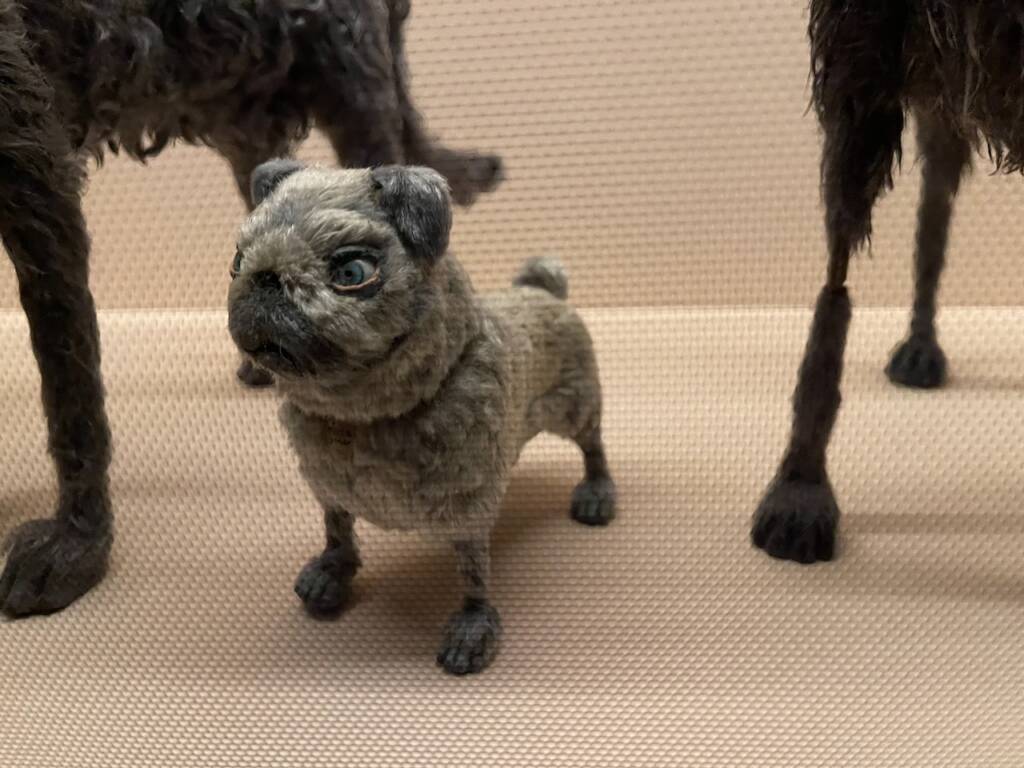
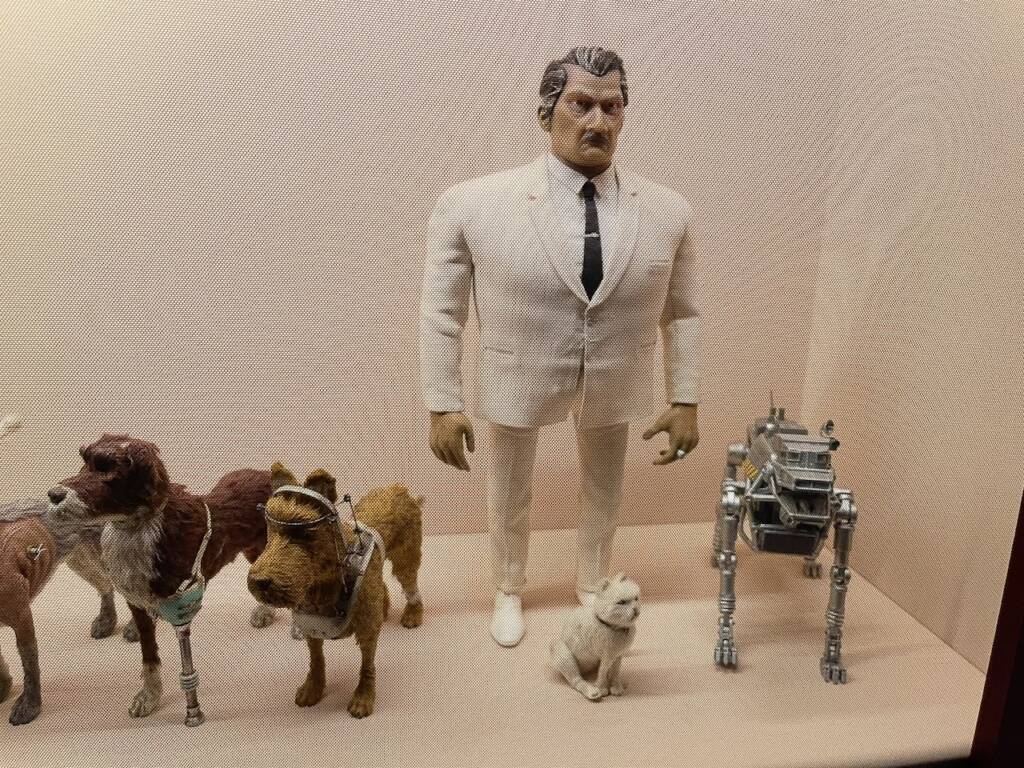
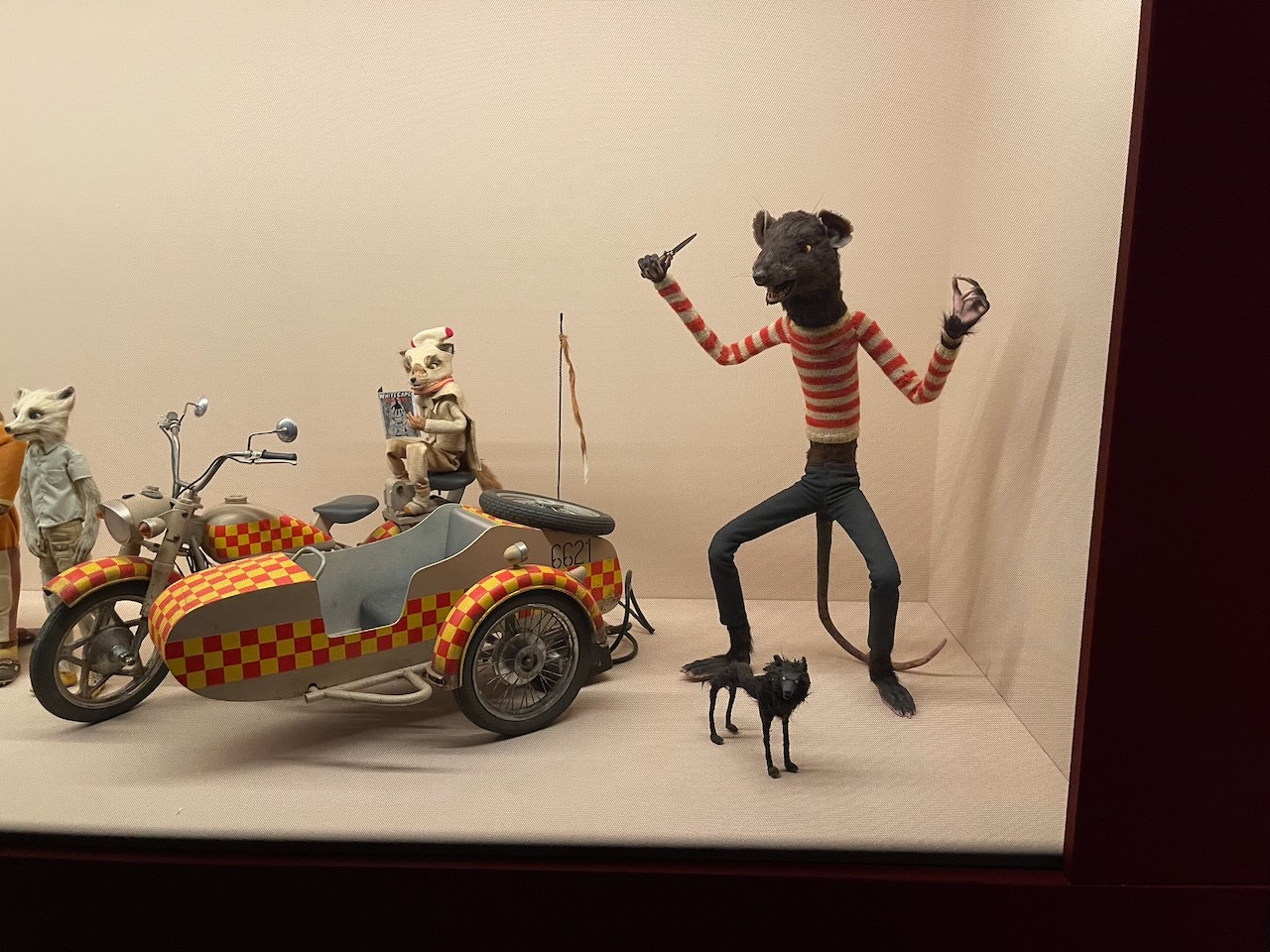
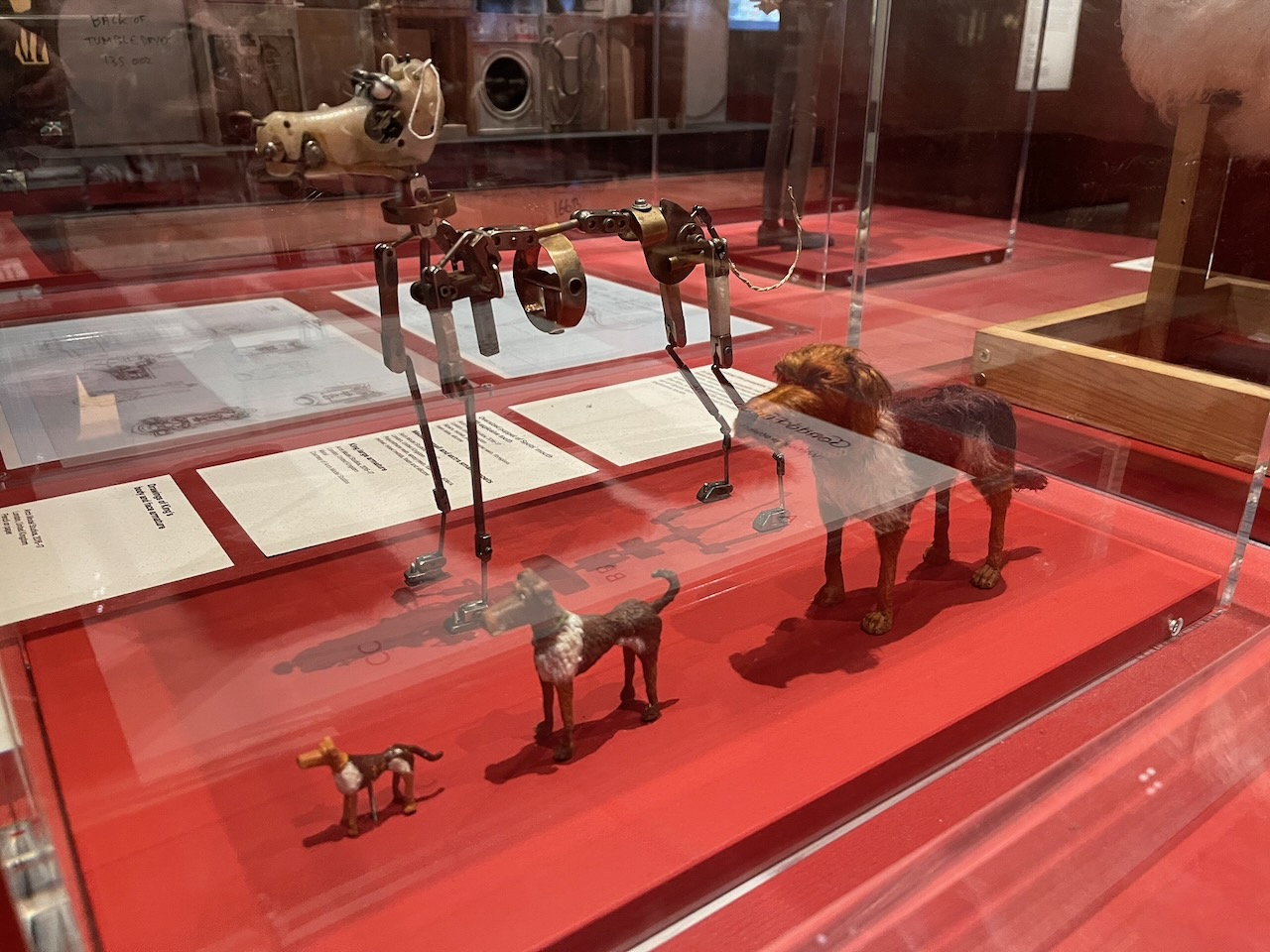
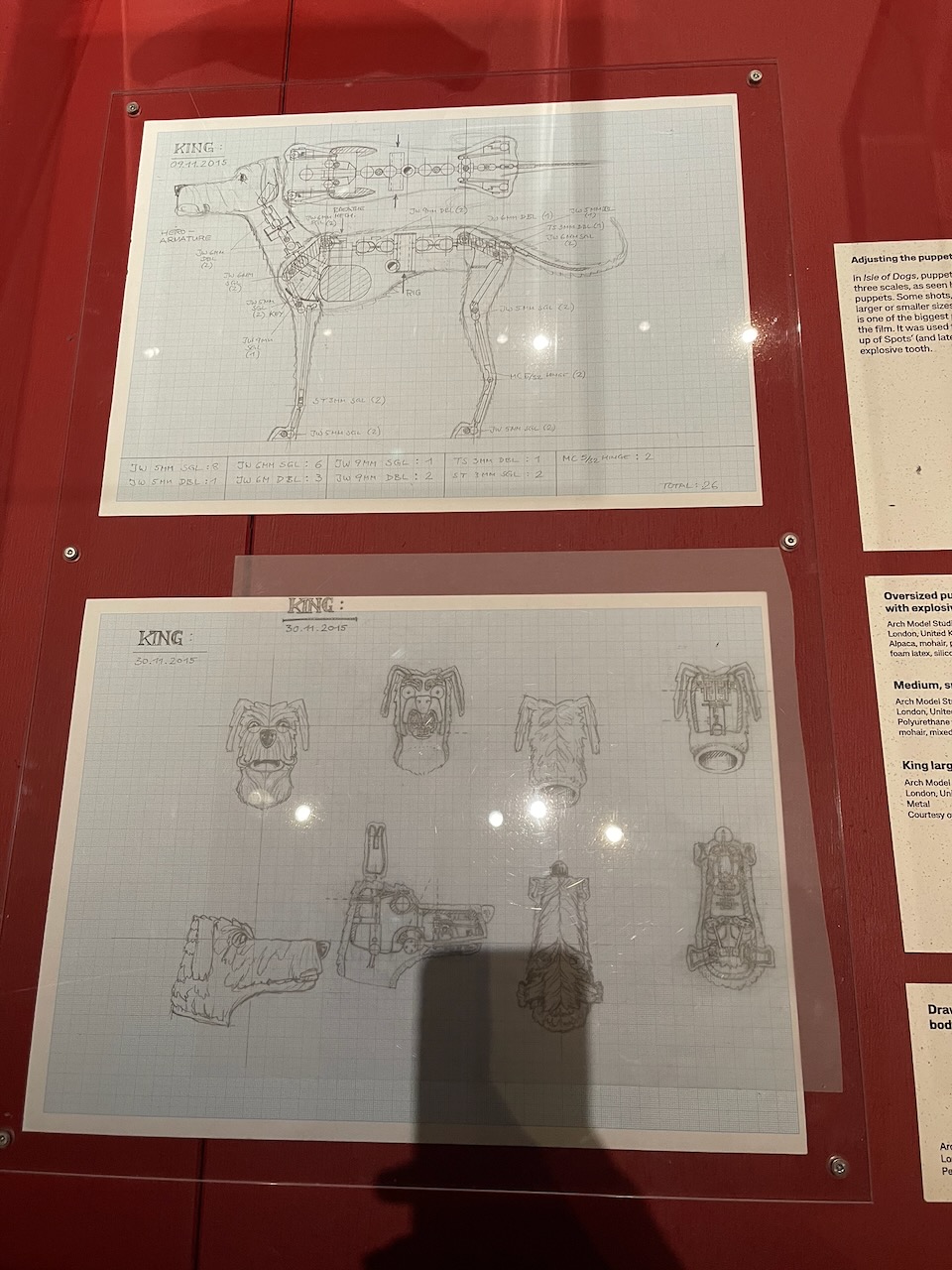
To better understand the physical construction behind the visual style I have been researching, I visited Wes Anderson: The Archives at the Design Museum in London. Seeing original puppets, sets and props up close gave me a valuable piece of primary research for the pre-production stage.
When viewed on screen, Anderson’s sets and props appear incredibly controlled and precise. Up close, however, I could see small traces of their physical construction, including the grain of painted wood, variations in printed and handwritten material, and joins within the puppets and models. These details did not necessarily weaken the illusion. In many cases, they helped the objects feel physical, handmade and part of a consistent world.
The exhibition also made me think more carefully about the amount of planning behind the finished images. The storyboards, drawings, props and models showed that the final scenes had been developed through several stages before filming. This supports my decision to develop a script and rough animatic before attempting any substantial animation, as it would allow me to consider the framing, prop placement and timing in advance.
This also helped me understand the relationship between planning and Donald Schön’s idea of ‘reflection-in-action’. A detailed plan does not remove the need to make decisions during production. Instead, the script and proposed animatic would give me a structure to work within, while reflection-in-action would happen as I responded to the materials, lighting, puppet movement and any problems that appeared during making. I would still expect the physical process to change some of my earlier decisions rather than following the plan without question.
Small selection of photos of the sets and puppets from both Wes Andersons animated films that I took during my visit to the Wes Anderson Archives at The Design Museum in London